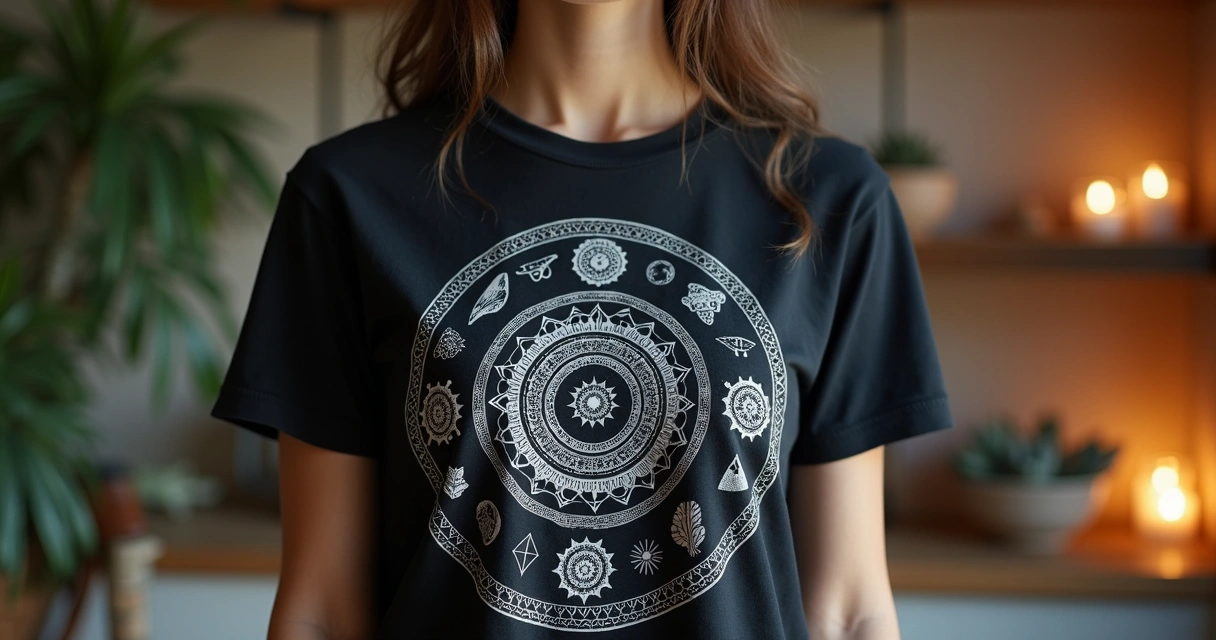
There are times when I look at a shirt and pause. Some patterns seem random, but others feel charged with meaning. Since I started working with Odoya Store, ancestral symbols on clothes have become much more than mere decoration to me. They are tiny doors to ancient worlds, full of stories, beliefs, and energy. In this article, I want to share the mysteries I've learned about these fascinating symbols we wear close to our skin.
Symbols speak: why does clothing carry meaning?
Once, during a walk through an outdoor market, I saw a woman with a large, golden spiral on her shirt. I felt compelled to ask about it. She smiled and said, “It’s for balance and growth.” That simple answer stayed with me. Clothing, it seems, can do more than protect and adorn—it can express our deepest connections with the universe.
Symbols have a special way of bypassing language and speaking directly to something inside us. This is why so many spiritual people, artists, and even those who simply want to share a bit of themselves gravitate toward such designs.
In my journey with Odoya Store, I’ve discovered that these signs are almost everywhere: on t-shirts, hoodies, jewelry, patches. But their presence is never just visual. They express centuries of belief systems, cosmologies, and rituals.
Classic ancestral symbols and their hidden messages
Not all symbols are created equal. Some have survived for millennia, traveling across continents, faiths, and tribes. Here are a few I meet often—and what I’ve learned about them.
- The spiral: Found in caves, pottery, tombs. The spiral represents growth, evolution, and the journey inward (and outward) of the soul. Many cultures used it as a sign of spirituality and transformation.
- The tree of life: It’s depicted as a tree with roots deep and branches high, connecting earth and sky. For many, it means abundance, ancestry, and the cycle of life.
- The eye: Sometimes it’s the “evil eye,” believed to protect against harm. Sometimes, it’s a symbol of awareness and insight.
- Geometric shapes: Circles, triangles, hexagons—these all relate to sacred geometry. Triangles can mean harmony or change, while circles suggest unity. The hexagon, often associated with beehives, can symbolize community and structure.
- Astrological symbols: From zodiac glyphs to planetary icons, these symbols link us to the stars, suggesting that our lives are part of cosmic cycles.
Each of these symbols has varied meanings across cultures, but they share a deep link to universal questions and hopes.
Symbols carry memory.
Understanding sacred geometry in fashion
There’s something hypnotic about patterns that repeat flawlessly. Sacred geometry is a big part of this. I remember my first experience with it: I traced a flower of life on my notepad, just trying to see how the pattern fit together. Hours passed before I realized how deeply it had drawn me in.
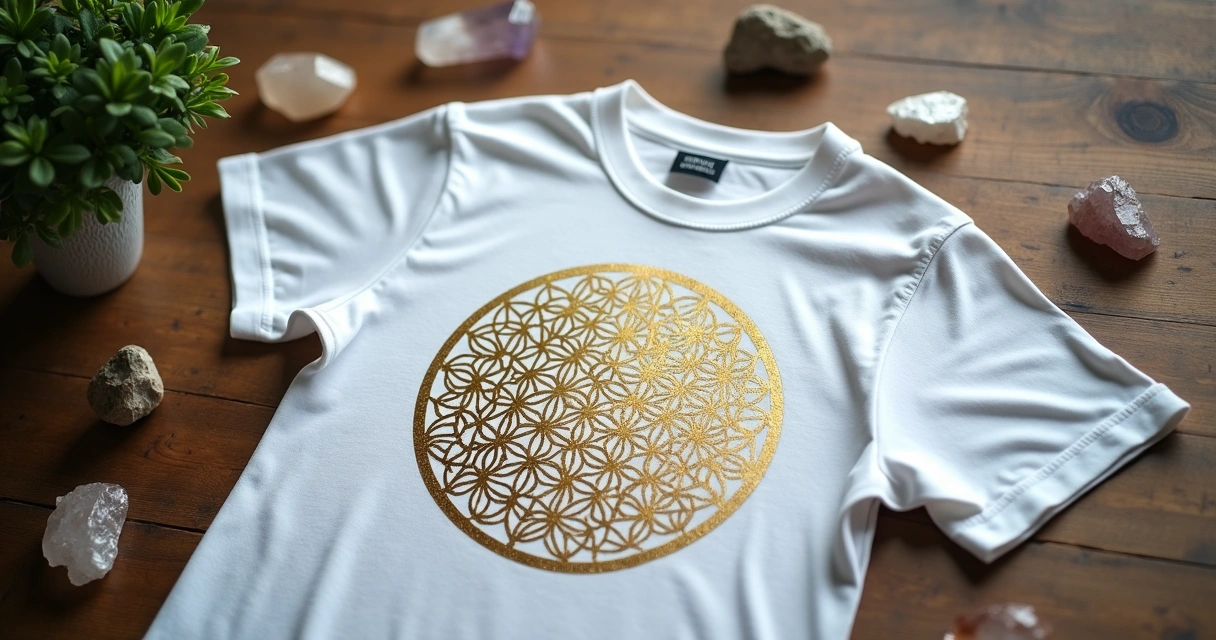 Sacred geometry reflects the natural order and balance of the universe, repeated in art, architecture, and even clothing. Patterns like the flower of life or the seed of life bring a sense of harmony, inviting us to see order in the chaos.
If you are curious to know more about the deep connection between fashion and geometry, you can visit Odoya Store's special collection on sacred geometry designs. These pieces embody spiritual principles and offer a sense of calmness and meaning every time you wear them.
Astrological and celestial influences: meaning behind the stars
Do you ever notice a shirt printed with moons and stars, or zodiac signs? Growing up, I hardly paid attention. Now, though, I see them everywhere and sense their timeless appeal.
Astrology connects us to cosmic cycles. Wearing astrological signs or celestial motifs signals a wish for guidance and luck, or simply a desire to express one’s place in the universe.
- Zodiac glyphs—showing your sun sign or rising sign, a piece of your personality
- Phases of the moon—often worn as a reminder of cycles, change, and feminine power
- Stars and constellations—a link to myth, destiny, or hope
Celestial images let us wear the night sky right on our clothes, carrying the mysteries of the cosmos with us through daily life.
Symbols as personal tools: intention and expression
One thing I have seen at Odoya Store is that people often pick symbols not just for looks, but for the way they feel. I remember a client who always wore a shirt with a mandala pattern. “It keeps me centered,” she said. For her, and many others, clothing is a tool to focus energy or remind them of their deeper values.
Many people choose:
- Protection symbols (like the hamsa or eye)
- Guidance icons (such as stars or compasses)
- Wisdom patterns (sacred geometry, tree of life)
for intention, balance, and even a bit of spiritual armor.Styles change, but the wish to carry meaning endures. If you want to read more about ancestral signs and the layers of meaning hidden in design, Odoya Store has a dedicated collection of ancestral symbols that I find both intriguing and beautiful.
The stories behind the signs: real-life moments
Sometimes, a symbol’s meaning is best understood in a real moment. Not long ago, I was helping with a launch at Odoya Store, and a young man shared that his zodiac symbol shirt wasn’t just about horoscopes—it was about honoring his grandmother’s beliefs. She had passed down stories about the stars every summer night.
Another person chose a hoodie with interlocking triangles. For her, it was about “balancing work, family, and dreams.” That’s what I love about ancestral designs—they connect people everywhere, but they’re always personal.
Going further: where to learn more
The world of ancestral symbols is wide and always in motion. If you’re interested in the spiritual side, Odoya Store’s spirituality blog is filled with stories about meaning, wisdom, and personal journeys.
If mysticism and old beliefs catch your attention, the mysticism section has fascinating insights into the esoteric side of things. I find it inspiring to learn about new interpretations of these ancient designs, from numerology to myth.
Symbols and the future of self-expression
Designs once reserved for sacred spaces are now used to express spirituality, cultivate identity, or channel strength. Every decision you make about what to wear can be intentional—every shirt or hoodie a way of telling your own story.
If you ever want to experience this connection, you might enjoy reading more in this post about symbols and intention that I found very thought-provoking.
What you wear can show who you are.
Conclusion
Ancestral symbols go beyond patterns. For me, they feel like echoes of traditions that reach across time—and let us bring a hint of mystery to ordinary days. At Odoya Store, every design is chosen not just for beauty, but for its meaning. If you’d like to welcome that sense of connection into your own life, I invite you to discover our collections and find the piece that speaks to your spirit.
Frequently asked questions
What are ancestral symbols on clothes?
Ancestral symbols on clothes are designs inspired by ancient cultures, spiritual beliefs, and sacred patterns, often used to express deeper meaning and personal identity. These symbols can include anything from spirals and geometric shapes to icons like the eye or tree of life.
What do these symbols usually mean?
Each symbol carries its own meaning. Common themes include protection, harmony, growth, spiritual insight, and connection with nature or the cosmos. Interpretations can change depending on culture or personal belief, but they often relate to values and stories passed through generations.
Where can I find clothes with symbols?
You can find clothing with ancestral symbols at stores that focus on spirituality, mysticism, or cultural heritage. Odoya Store is one example where each product is thoughtfully designed with meaning and quality in mind, celebrating a range of ancestral and mystical themes.
How can I know a symbol's origin?
To find a symbol's origin, you can research its shape, region, and any related myths or cultural practices. People often use books, trusted articles, or spiritual guides to learn more. The Odoya Store blog also shares background and interpretations for many popular symbols in their collections.
Are ancestral symbols still used today?
Yes, ancestral symbols are widely used in modern fashion, jewelry, tattoos, and home decor. Many people choose them for their personal meaning, spiritual protection, or as a way to honor their roots. Symbols like the spiral, tree of life, and astrological signs remain especially popular today.