
Every now and then, a thought flashes through my mind: what if our senses stretch much further than sight, touch, sound, taste, and smell? This question used to be a gentle curiosity; now, after years of personal searching, I see it as an open doorway. Remote viewing represents that doorway: an invitation into intuitive exploration, guided by the mysterious thread that connects us all to the cosmos.
At the core, remote viewing is spoken about as a psychic or intuitive skill. With it, people claim they can sense or describe locations, objects, or events that their ordinary senses could never grasp. In my perspective, it isn’t only about supernatural abilities. It’s about expanding inner awareness—to notice quieter signals our culture often rushes past.
In writing this piece, I aim to offer what I've learned and felt firsthand. My wish is to help you understand this phenomenon, give it a context in spiritual and ancestral ideas, and share practical ways you might strengthen your own intuition. The Odoya Store celebrates and encourages this style of inner journeying, which I find both courageous and beautiful.
Unlocking remote viewing: Intuition beyond the five senses
The question of what is remote view comes up often, with as many answers as there are seekers. In the simplest sense, remote viewing suggests a method to perceive people, places, or situations at a distance, beyond space and time, using only the mind.
Remote viewing gives us a tool to look within—and beyond.
This isn't classic “psychic reading.” Practitioners usually work blind, given only coordinates, random numbers, or vague targets. The idea is to describe impressions: shapes, feelings, colors, sensations—anything that surfaces in consciousness when asked to sense a distant scene.
To me, remote viewing ties deeply to countless ancient traditions. Across the world, people have experienced sudden insights, premonitions, and visions that go beyond physical limitations. Remote viewing invites us to reclaim the wisdom traditions where inner knowing plays a vital role.
Just as Odoya Store’s shirts and products draw on sacred geometry, astrology, and ancient symbols, the practice of remote viewing asks us to recognize symbol and pattern in the world within. Wearing something from the Sacred Geometry collection or the Mysticism range might not make you a remote viewer overnight, but it is a small, daily reminder that the universe pulses with meaning, if we pay attention.
How remote viewing came to be known
It’s easy to assume that remote viewing is brand new, a modern invention for people hungry for mystery. In truth, what we now call remote viewing has roots that stretch across time and cultures. Still, the term itself, and the specific practice, gained global attention only in the last few decades.
The earliest footprints: Parapsychology and ancestral intuition
In my research, the roots become clear: long before remote viewing had its name, seers, shamans, mystics, and prophets spoke of visions not bound by distance or time. These traditions—from the Oracle at Delphi to Indigenous dreamers—share the idea that special states of consciousness reveal unseen truths.
Science and spirit often meet at the edge of mystery.
By the late 1800s and early 1900s, parapsychology began to emerge as an attempt to study these abilities with scientific tools. Experiments in telepathy, clairvoyance, and “second sight” hinted at the possibility that the mind could reach far beyond the brain and nervous system.
Military secrets and the Stargate Project
Many people are surprised to learn that remote viewing isn’t just a “New Age” interest. In the 1970s, the United States government funded a top-secret series of experiments—now referred to as the Stargate Project—in attempts to find practical uses for psychic perception. The goal? Use human intuition to gather information not available by traditional means.
Stories from this period have fascinated me for years. While some results remain classified or disputed, declassified documents describe subjects asked to sketch or sense distant events. Sometimes, the sketches produced detailed matches to hidden locations or targets. Whether one finds these reports convincing or not, their existence alone has helped keep remote viewing in the public imagination.
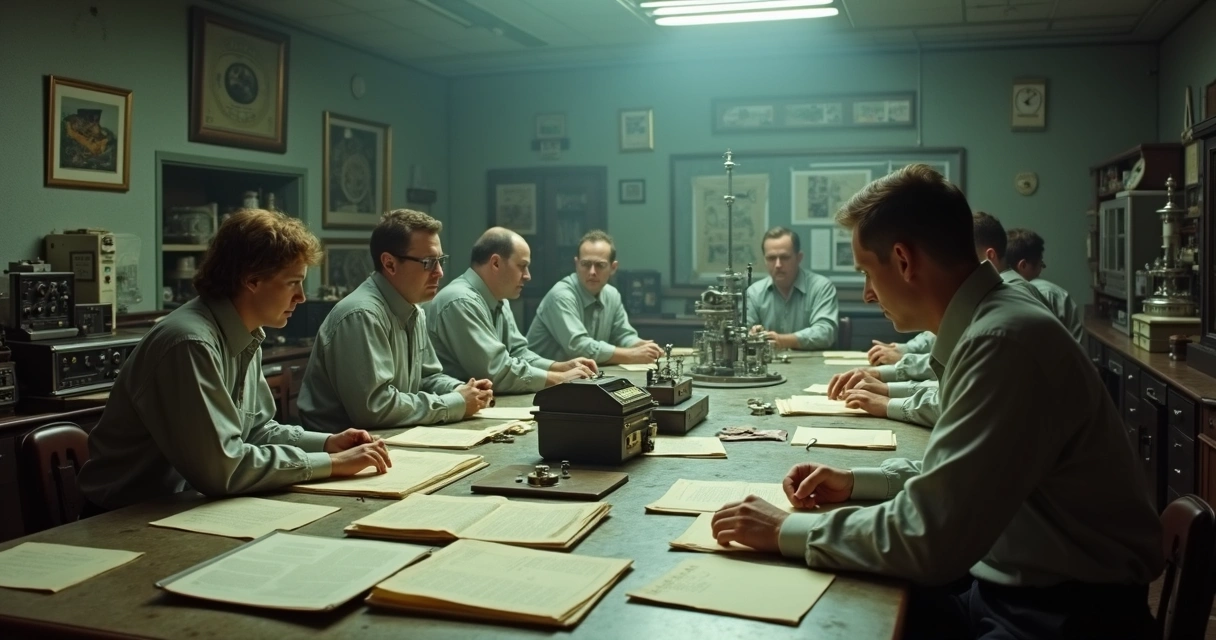
Modern interest continues to grow. Some practitioners attempt to use remote viewing for personal insight; others try to “sense” unknown locations as an intuitive experiment. Even popular science and skepticism magazines frequently debate its claims.
Ancestral symbols and collective memory
What makes remote viewing so meaningful, in my experience, is not the clinical or military side—it’s the connection felt to something ancient. Wearing a shirt bearing a sacred symbol isn’t a fashion choice alone: it speaks to the same ancestral memory that lights up when we sense something unknown, yet familiar.
When I spend time with ancestral symbols or reflect on the cosmos, as encouraged by the ethos of Odoya Store, I feel the same gentle expansion that remote viewing invites. It’s not just about getting information; it’s about rediscovering the world as alive and connected.
Remote viewing, clairvoyance, and other psychic abilities: What’s the difference?
It’s easy to get lost in a forest of psychic terms. Clairvoyance, precognition, out-of-body experiences, telepathy—sometimes they seem like synonyms, sometimes not. I’ve always appreciated clear distinctions. So, how is remote viewing different?
- Remote viewing is a structured practice. Most sessions are blind (the viewer doesn’t know the target beforehand) and follow set steps, often with a facilitator. The focus is on describing impressions, rather than making predictions or communicating with spirits.
- Clairvoyance is a broader term. It refers to “clear seeing”—receiving images, visions, or information not via the five senses. Remote viewing can use clairvoyant impressions, but not all clairvoyance is structured as remote viewing.
- Out-of-body experiences (OBEs) involve a sense of leaving the physical body. In remote viewing, most practitioners stay physically present and awake, though deeply relaxed or in light trance. The experience is more like daydreaming than “leaving one’s body.”
- Telepathy means mind-to-mind communication. Remote viewing, instead, focuses on information about locations or objects, not direct message exchange between people.
Terms overlap, but the intention sets remote viewing apart.
The tradition of mindful observation runs through all of these abilities. The difference with remote viewing lies in its process, repeatable structure, and its focus as a mental protocol rather than a spontaneous vision.
Common steps in a remote viewing session
I’ve had the opportunity to try, both alone and with friends, a handful of formal remote viewing activities. There isn’t just one approach, but the main features nearly always look like this:
- Preparation and intention: Practitioners still the mind and state a clear intention. Relaxation is common, as anxiety or effort tends to muddy subtle impressions.
- Receiving a “target”: Typically, the viewer is given a set of random numbers or a code, which stands for an unknown location, object, or person.
- Free association: With eyes closed or lightly focused, the viewer describes or scribbles any sensations, images, smells, tastes, and feelings that come up. There’s no right or wrong—just raw, spontaneous data.
- Sketching or writing: Many try to draw impressions, even if abstract.
- Feedback: After the session, the actual target is revealed, allowing the viewer to see which impressions matched or connected to the unknown location or object.
It’s a little bit like the relaxed, playful openness encouraged when working with other meaningful arts—such as meditating on sacred geometry or engaging in dreamwork. I notice that both require a suspension of disbelief, a willingness to “see” with new eyes.
The basic steps are just a starting place. With practice, one can include personal rituals, tools, or spiritual approaches, aligning remote viewing with one’s own background and beliefs.
Remote viewing and spiritual practice
For much of my life, intuition was something I noticed in fleeting moments: a gentle feeling to avoid a street, a hint to call a friend at just the right time. It wasn’t until I started looking at the deeper patterns—in nature, in sacred art, even in astrology—that I realized intuition could be turned toward intentional self-discovery.
Remote viewing, especially when seen through a spiritual lens, becomes more than a party trick. It can be a door to self-knowledge, healing, and a renewed relationship with the intricate web of life.

Intuitive skills and ancestral symbolism
When I spend time with the patterns in Odoya Store’s collections—like the flowing lines on a sacred geometry t-shirt—I notice echoes of the same intuitive skills needed for remote viewing. These designs remind us daily to stay connected to the deeper rhythms and archetypes beneath ordinary life.
Many spiritual seekers use symbols, crystals, or astrology as anchors for intent. The aim isn’t to “guarantee” psychic abilities, but to encourage mindful attention and keep intuition awake. Even the simple act of wearing a garment created with intention, as the Odoya Store community knows, can carry real significance.
Mystical approaches to awareness
I’ve found that mystical traditions treat intuition as a natural sense, available to all, not a rare gift. Practices such as prayer, chant, dream interpretation, and trance dance all open pathways for sensing across time and space. Some mystics describe a “universal consciousness” where all knowledge is accessible. Remote viewing fits here perfectly—as a method to tune in, rather than force outcomes.
Just as one works with ancestral rituals, integrating remote viewing into spiritual practice means giving the process time, patience, and respect. The goal becomes less about accuracy and more about deepening the sense of unity and guidance from the universe.
Remote viewing as a path to self-discovery and inner growth
I still remember my first attempt at remote viewing, sitting on the floor of a friend’s living room, surrounded by crystals and incense. We fumbled with notepads, giggling, half-skeptical and half-thrilled by the adventure. Looking back, the biggest surprise wasn’t what I “saw” or “got right.” It was how the process shifted something inside me—making me aware of patterns and signals from my own deep mind.
The journey is as meaningful as the destination.
Whether or not you consider yourself psychic, the main rewards seem to come from:
- Learning to quiet the mind and trust subtle impressions
- Building confidence in intuition and spontaneous creativity
- Developing patience, humility, and awareness of how thoughts and feelings mix
- Connecting more deeply to spiritual and natural sources, feeling woven into the cosmos
In this sense, remote viewing acts like meditation, journaling, or other mindful practices. It asks you to listen—and to care about the conversation between self and universe. These are the same qualities celebrated in Odoya Store’s approach to intentional design and meaningful expression.
The science, the skepticism, and the mystery
Whenever a claim stretches daily experience, science eventually asks the hard questions. In the case of remote viewing, studies from research institutions and government projects have tried to test its possibilities.
Much of the mainstream scientific community remains cautious, if not dismissive. Findings such as those listed in research archived by the National Library of Medicine argue that many published experiments may have loopholes, including insufficient controls, expectation bias, or data misinterpretation. According to these reviews, available published evidence hasn't yet convinced critics to change their understanding of the physical world.
Still, I think there’s something honest about admitting what we don’t truly know. Even scientists who question its “reality” admit that the mind is astonishingly complex, and that intuition plays a role in creativity, inspiration, and survival.
For me, remote viewing belongs to a world where not everything can be measured under a microscope—where some truths emerge through experience, not statistics. I don’t expect everyone to agree, but I do believe in respecting the journey each person makes, whether they embrace, doubt, or simply remain open.
Trying remote viewing: Simple rituals and exercises for beginners
You don’t need special powers or years of training to experiment with deeper intuition. If you feel drawn to the mystery, I can suggest a few approaches that have worked for me and people I trust. As you try these, stay light, curious, and non-judgmental.
- Sacred space: Create a calm place using candles, incense, or objects that carry meaning for you. It helps if you wear or hold something that reminds you of your connection to spirit, like a shirt featuring a mystical symbol from Odoya Store.
- Intention setting: Say aloud (or silently think) your aim: “Let me notice and trust the quiet signals within.” This can be a short ritual, repeated as you wish.
- Blind target practice: Have a partner select a picture, location, or object that is hidden from you. With pen and paper, relax, breathe deeply, and jot down any images, shapes, colors, textures, or feelings that surface. Don’t try to “get it right”—just note your impressions.
- Feedback review: After you write or sketch, ask your partner to show the target. Compare calmly—noting if any details match, but staying patient and gentle. Improvement comes over time.
- Journaling: Keep notes on your experiences, even if you feel you “missed.” Patterns often emerge only after repeated tries.
Over time, add personal flourishes: perhaps meditating on a constellation shirt, using a favorite stone, or including music that calms or inspires you. The goal isn’t to “be psychic”—it’s to develop trust in your intuitive nature.

Your intuition grows when you welcome it gently.
Remote viewing across cultures and time
My view is that the longing to sense beyond the physical world is old as humanity itself. Each culture finds words and symbols for this process—vision quests, second sight, journeying, trance, oracles, prophetic dreaming. To me, remote viewing is simply the modern language for something our ancestors always recognized.
If you’re curious about the cultural tapestry surrounding psychic intuition and cosmic connection, browse more in Odoya Store’s spirituality collection. Patterns, colors, and stories drawn from around the earth all point to these hidden abilities, waiting within.
Through my own spiritual searching, I’ve found these practices appear alike, yet each reflects the values of its time. In some traditions, seeing at a distance is reserved for priests or visionaries. In others, communal trance or shared dreamwork invites everyone to participate.
Our modern approach places the power of intuition in the hands of anyone willing to learn—a democratization of the mystical. Odoya Store, in celebrating diverse spiritual symbols, reminds me daily that my own journey is part of a much bigger narrative.
What might you experience? Sensations and obstacles when trying remote viewing
If you’re reading this thinking, “But what will I actually feel?”—I had the same question. The early days can seem a bit, well, anticlimactic. There are no special effects, flashes of light, or instant certainty. Here’s what I and others often report:
- A gentle tug, word, or image that arrives suddenly and vanishes if you chase it
- Unexpected emotions, goosebumps, or subtle physical cues
- Abstract shapes, colors, sounds, or tastes with no clear “meaning”
- Mental “movies” that seem unrelated at first, but sometimes match the hidden target
- Moments of doubt, self-criticism, or impatience (these are normal and fade with time)
With regular practice, these signals become more familiar. Like any skill, patience and playfulness help more than stern effort. I keep a notebook to track hints and nudges that eventually make sense, even weeks later.

From self to cosmos: The bigger meaning
Over years spent investigating consciousness, I’ve come to see remote viewing as one of many invitations to “think big.” To me, the skills you build—especially patience, gentle attention, and trust in your inner compass—matter far beyond the question of “is this real?”
Practicing remote viewing asks you to:
- Slow down and listen to the subtle information always present
- Let go of demanding certainty
- Nourish a sense of gratitude and humility
- Remember that you are not alone on this path
Whether in science, art, or daily life, these skills create connection, insight, and joy. Remote viewing—like any spiritual or creative practice—reminds us that life holds more mystery, magic, and meaning than is first apparent.
Tips for deepening your intuitive abilities
Here are the habits I find most helpful for cultivating the kind of intuitive awareness that supports remote viewing and other spiritual growth:
- Stay well rested and nourished; fatigue dulls perception
- Spend time in nature, tuning in to cycles, sounds, and unseen forces
- Practice “open focus,” noticing what arises without judging or labeling
- Surround yourself with beauty and inspiration—symbols, colors, art, music (I often make use of Odoya Store’s cosmic and spiritual motifs)
- Share experiences with like-minded friends to compare impressions and enjoy progress
- Look for synchronicities and subtle cues in daily life—they often point to the web connecting all things
As you practice, remember this: symbols and rituals are not about superstition or control, but about keeping meaning in your awareness. A favorite garment, a song, a crystal, a notebook—these don’t “cause” intuition, but they help you enter the right state of mind.
Conclusion: Your intuition is your cosmic connection
To me, remote viewing is an act of curiosity and courage at once. It asks the quiet question—what if I am more connected, vibrant, and intuitive than I realized? Whether you see the gift as spiritual, ancestral, psychological, or just the fruit of practice, the journey itself has worth.
Odoya Store is built around this very spirit. Our designs, symbols, and products are invitations: reminders, each day, that you are part of something cosmic, alive, and meaningful. If you feel drawn to deepen your intuition, creativity, and sense of wonder, I welcome you to discover what speaks to your spirit in our curated collections.
Browse our latest mystical and spiritual creations, and carry a piece of your cosmic connection with you: your intuition just might surprise you.
Frequently asked questions
What is remote viewing in simple terms?
Remote viewing is a practice where people try to sense or describe things that are hidden or at a distance using only their mind. It’s like using intuition to “see” or notice things beyond the reach of their five physical senses.
How does remote viewing actually work?
Remote viewing works by relaxing, quieting your thoughts, and allowing images, feelings, or ideas about a distant target to come to mind. The process often includes writing or drawing these impressions, and then comparing them to the hidden target afterward. The exact mechanism is still a matter of debate, with some believing it taps into a universal consciousness, while others see it as a form of enhanced intuition.
Can anyone learn to remote view?
Most people can learn the basics of remote viewing with patience, openness, and practice. Like any skill, it may come more easily to some, but regular training and an open mind allow most individuals to progress and notice intuitive insights.
Is remote viewing scientifically proven?
Remote viewing has been studied in scientific settings, but mainstream science has not yet accepted it as proven fact. Reviews, such as those from PubMed archives, highlight methodological issues and call for stricter controls. Some people report strong anecdotal experiences even if the scientific verdict remains cautious.
What are the benefits of remote viewing?
The main benefits include greater trust in your intuition, deeper self-awareness, creativity, and a sense of connection to the world around you. Many people find the practice helps them quiet their mind, notice subtle impressions, and deepen their spiritual sense of meaning and unity with the cosmos.